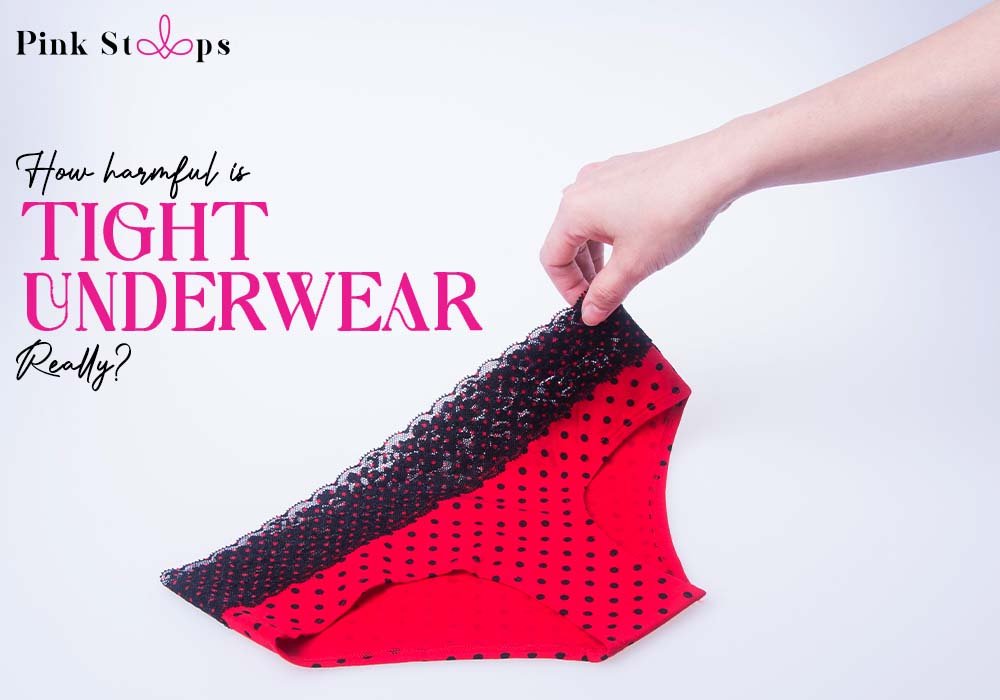
When it comes to underwear, style and comfort often win out over health — but what if your favorite snug-fitting pair is quietly harming you? In this blog we explore what really happens when you wear tight underwear: the risks (for both people with vulvas and people with penises), the science behind infections, and practical advice for staying comfortable and healthy.
We’ll analyze how habits like tiring thongs, underpants, or going commando — and even how you washout your underwear — can causing things like soreness, moisture accumulation, and the danger of infections such as yeast contagion or bacterial vaginosis.
Why Tight Underwear Raises Eyebrows
Underwear isn’t about trend — it plays a straight role in sexual hygiene by acting as a obstruct and regulation of airflow, wetness, and skin interaction. When underwear is excessively tight or made from non‑breathable material, various things can go wrong.
- Moisture and heat buildup. Tight underwear gets skin closer to fabric and may catch sweat, discharge, and body heat. That purpose a warm, wet environment that actually what fungi and bacteria love.
- Friction and chafing. Continuous friction from tight fabric, especially around intimate areas (inner thighs, groin, vulva, scrotum), can irritate the skin. That irritation can lead to redness, itching, ingrown hairs, or even small skin breaks.
- Reduced airflow and pH disruption. Good underwear should allow skin to breathe. Without airflow, skin temperature and moisture can rise; in people with vaginas, this can disturb the delicate balance of bacteria that help keep the vaginal pH healthy.
Because of these factors, tight underwear isn’t just a matter of discomfort — it can contribute to real health issues over time.
Risks for People with Vulvas (Yeast, BV, Irritation)
If you have a vulva — and therefore a vaginal microbiome — the choice of underwear can affect more than just comfort. Here’s how tight underwear may increase risk of infections or irritation.
Yeast infections & fungal overgrowth
The fungus that typically causes a yeast infection thrives in warm, moist environments. By trapping moisture and heat against the skin, tight underwear can encourage an overgrowth of fungi like Candida.
Some studies have noted a link between wearing tight pants or underwear and increased incidence of yeast infections.
Bacterial asymmetry and bacterial vaginosis (BV)
On the far side yeast, choke and synthetically underwear discontinue airing and can change the vaginal environment. This may disturbed the equilibrium of good versus noxious bacteria, growing risk of bacterial vaginosis (BV).
Some research shows people with BV are more likely to have chosen tight underwear at some point.
Skin irritation, chafing, and discomfort
Even without infection, constant rubbing can cause chafing, redness, itching — and potentially tiny skin breaks. Such skin integrity loss can make the area more susceptible to infections.
Why material matters
It isn’t just tightness — fabric plays a big role. Underwear made from synthetically fibers like nylon, polyester or material tends to snare wetness, decrease breath-ability, and may bother delicate skin.
On the other hand, breathable earthy fabrics — particularly cotton — aid cord away perspiration, allow air airing and decrease heat buildup. That helps forbid the environment fungi or bacteria need to rhetoric.
What About People with Penises? (Scrotal Health, Fertility, Sweat)
Tight underwear not affect those with vulvas but people with erectile organ can also suffer wellness entail, peculiarly around scrotal discomfort, infertility, and skin issues.
Scrotal temperature and sperm health
The testicles are outside the body for good reason: sperm production depends on a slightly cooler temperature than core body heat. Tight underwear can press the scrotum close to the body, increasing temperature — which some studies link to lower sperm concentration.
One 2018 study specifically found higher sperm concentration in people who wore looser underwear (like boxers) compared with those wearing tight briefs. If you’re planning to conceive in the future or concerned about long-term fertility, choosing looser underwear options like boxers might be a better idea.
Skin chafing, irritation and folliculitis
Tight underwear and non‑breathable fabrics can irritate skin in the groin area. This can evidence to soreness, unhealthy hairs, folliculitis (adorned hair follicles), and even discomfited skin rash — especially with perspiration or shaving.
Perspiration and sanitarian issues
As with vulvas, cornered sweat and deficiency of airflow can charge a wet micro-environment, contributing to bacterial or fungal development around the scrotum. That can reason caustic odor, skin sensation, and possibly infections if hygiene is dedication.
Are All Tight Underwear Varieties “Dangerous”? — The Nuances
It’s important not to oversimplify: not all tight underwear automatically leads to problems. There are numerous variants — material, sanitarians, user habits — that causing risk.
- Occasional tight underwear is commonly Tiring close-fitting underwear occasionally, for a few hours, mainly if you’re otherwise healthy and being sanitary, is doubtful to cause serious issues.
- Style does not always equal harm. Some people worry about certain styles — like thongs — but evidence is mixed. Some studies have found no direct link between thong use and higher rates of yeast infections, BV or UTIs.
- Hygiene and washing matter. Even the perfect pair of cotton underwear can become problematic if washed with harsh detergents or reused too often. Using a gentle or hypoallergenic detergent, washing underwear separately, and changing daily are key hygiene habits.
Your body and lifestyle make a difference. Sweating, your working, skin susceptibility, personal micro-biome, and even hormone concentration can impact how underwear affects you.
Practical Tips: How to Wear Underwear Without Dangering Health
Based on our knowledge, here are some applicable, pictorial tips to relish underwear without tempting cast-off problems.
- Choose breathable, natural fabrics
- Choose the right style: comfort over trend
- Wash smart
- Manage moisture and sweat
- Pay attention to symptoms
What Research Says — And What Remains Uncertain
While there is growing evidence that underwear choice matters, science hasn’t provided definitive answers in every area.
- A 2014 study found an association between tight pants or underwear and higher rates of yeast infections in people with vulvas.
- For people with penises, a 2018 study linked tight underwear to slightly lower sperm counts, but sperm counts still remained within healthy ranges — meaning tight briefs aren’t necessarily unsafe.
- Interestingly, a 2019 study found no significant correlation between wearing thongs and increased risk of urinary tract infections, BV or yeast infections — suggesting that if you prefer thongs, they’re not automatically harmful, as long as hygiene, material and fit are taken care of.
- A 2020 review of women’s intimate hygiene habits found tight underwear was more commonly reported among women diagnosed with BV — but the report cautioned that many factors influence vaginal health beyond underwear alone: hygiene, microbiome, sexual practices, internal hormone levels, etc.
So what does that mean? Overall: wearing tight underwear occasionally likely isn’t a big health risk — but regular use of choky, non‑breathable underwear united with pathetic hygiene or other probability factors can hike chances of pique, irritation, or unhealthiness.
Final Thoughts — Comfort, Health, and Smart Choices
Tight underwear doesn’t have to be villainized — but it shouldn’t be mindlessly embraced either. Underwear is one of the closest garments to some of our most sensitive parts, and it influences moisture, airflow, friction, and skin health more than many people realize.
If you care about intimate hygiene — or if you’ve experienced recurring irritation, chafing, or infections — investing a little bit of attention into fit, fabric, washing habits, and moisture management can make a big difference.
Ultimately, underwear can be a simple matter of comfort and health. With small daily habits — focusing on breathability, hygiene, and moisture control — you can enjoy style and protect your intimate health.
Let me know if you want a shorter “quick tips” version of this blog (that’s easy to share on social media), or if you’d like me to include some quotes from medical experts or links to studies